Working with Muslim Families: Practical Frameworks in Islamic Law for Clinicians
Join Dr. Mariam Sheibani in collaboration with Ruh Care for a live training designed to help clinicians strengthen their ability to work with Muslim individuals, couples, and families with greater confidence, nuance, and practical clarity.
Islamic law and practical frameworks can be used to navigate common family-related issues that arise in clinical settings.
Course Features
Open to licensed therapists, counsellors, mental health professionals, and clinical trainees
Dates & Time
May 14, May 21, June 18, and June 25, 2026
11 am LA・2 pm New York・7 pm London・1o0 pm Dubai・3 am Kuala Lumpur
Pricing
Early bird registration $199 USD (until Wednesday, April 15, 2026)
Regular registration $249 USD (from April 15 onwards)
Format
Live sessions on Zoom (replays will not be available)
Features
12 hours of live training across 4 Zoom sessions
Interactive case-based discussion and applied clinical frameworks
Certificate of Completion provided for participants who attend the full training series
Why an Islamic law framework for clinicians?
This series equips clinicians with foundational Islamic law literacy and practical frameworks for navigating common family-related issues that arise in clinical settings. Drawing on the principles of Islamic law and contemporary professional practice, the training explores how Islamic teachings address parent–adult child relationships, abuse and harm prevention, marriage roles and expectations, and complex marital situations such as secret marriages and divorce.
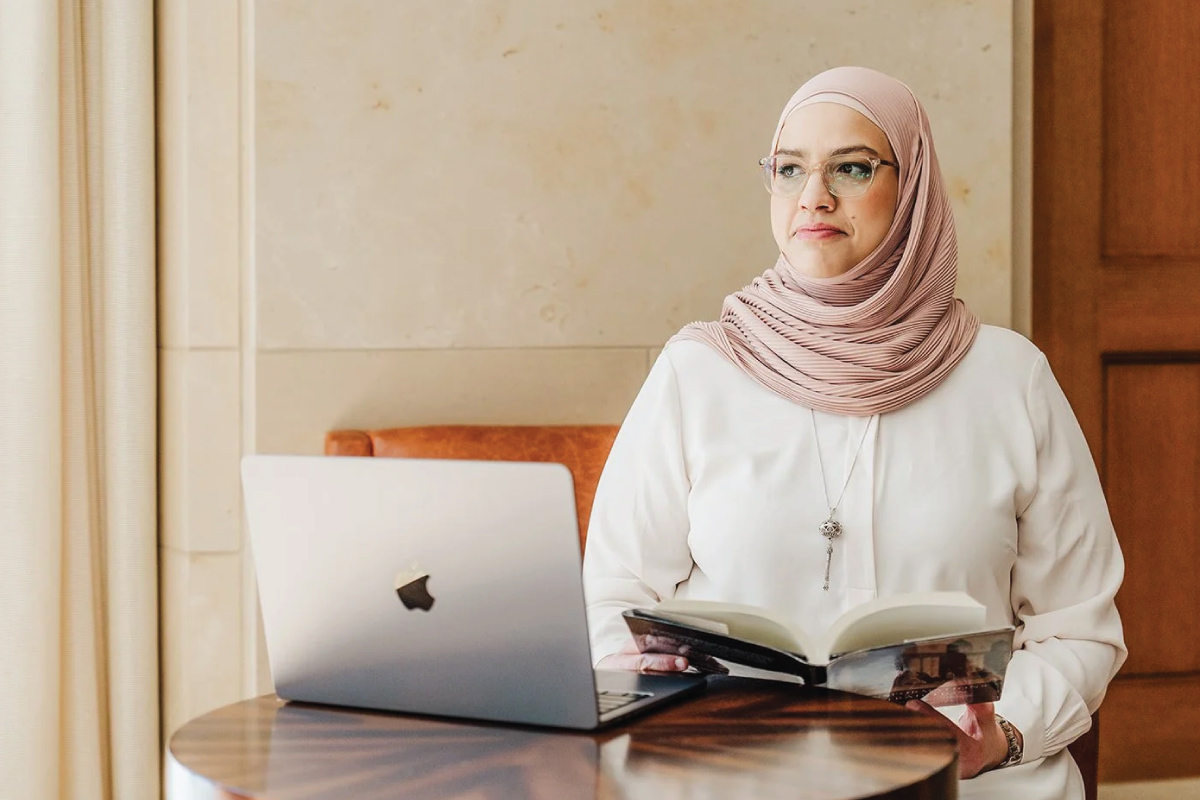
Dr. Mariam Sheibani
is a scholar, educator, and researcher. She is an Assistant Professor of Islamic Thought at Brandeis University and a globally-recognized scholar who is passionate about public education and community building. Dr. Sheibani holds an MA in Legal Studies, a second MA and a PhD in Islamic Thought from the University of Chicago and a postdoc training from Harvard Law School.
Over the past two decades, she has studied the classical religious sciences with Muslim scholars in Turkey, Jordan, Egypt, North America, the UK, and West Africa. Her research and teaching focus on Islamic intellectual, religious, and social history, with a focus on the theory and practice of Islamic law, ethics, and spirituality. Dr. Mariam offers paradigms and frameworks for coherently integrating religious commitment with lived experience. She empowers people to think through critical issues, co-construct solutions to shared challenges, and offer practical tools for cultivating a God-centered and meaningful spiritual life.
Course Outline
1) Family Ties in Islam: Navigating Parent–Adult Child Relationships
This session explores Islamic values and duties related to parent–adult child relationships and maintaining family ties (silat al-rahim). Using a nine-principle framework applied to case studies, the session examines key concepts such as obligation and harm while helping clinicians navigate common tensions between parental authority, adult independence, and cultural expectations.
2) Harm and Protection: Addressing Abuse in Family and Community
This session examines Islamic legal and ethical principles of harm, protection, and accountability in addressing abuse within Muslim families and communities, with practical guidance on balancing seemingly competing values such as privacy and sin concealment versus accountability, and forgiveness versus justice. Child sexual abuse will serve as a case study for how these principles can be applied in practice.
3) Marriage Roles and Responsibilities: Islamic Models Across Cultural Contexts
This session introduces the core Islamic ethos and values that shape marital life while situating the juristic discourse on rights and duties within the broader moral framework of the Islamic tradition. The session also highlights how different cultural contexts are meant to shape expectations around gender roles, authority, and partnership.
4) Complex Marital Realities: Secrecy, Fidelity, and Divorce
This session discusses challenging marital situations such as infidelity, secret and plural marriages, and divorce through the lens of Islamic law and ethics, helping clinicians understand how these issues may be experienced and interpreted by Muslim clients.
Frequently Asked Questions
Who is this training for?
Licensed therapists and counsellors
Psychotherapists, social workers, and other mental health professionals
Graduate practicum/interns and clinical trainees
Clinicians seeking more Islamically informed and culturally grounded frameworks for work with Muslim individuals, couples, and families
What will I gain from this training?
Through this 4-part live series, clinicians will have the opportunity to:
Deepen their understanding of how Islamic legal and ethical frameworks shape family life and decision-making
Strengthen their clinical ability to navigate sensitive family and marital concerns in Muslim contexts
Build more thoughtful, culturally responsive approaches to case conceptualization and care
Engage complex issues with greater clarity, humility, and practical relevance to therapeutic work
Will recordings be available?
Live attendance is required. No replay will be available.
Will a refund be possible if I change my mind?
Your registration is risk-free, and we want you to feel clear and supported in your decision to register.
If after attending the first session you feel this training is not the right fit for you, you may request a refund. In that case, only USD $49 will be retained as the fee for the first session, and the remaining balance will be fully refunded.
No questions asked.
Will I receive a certificate for participating?
A Certificate of Completion will be provided to participants who attend the full training series.